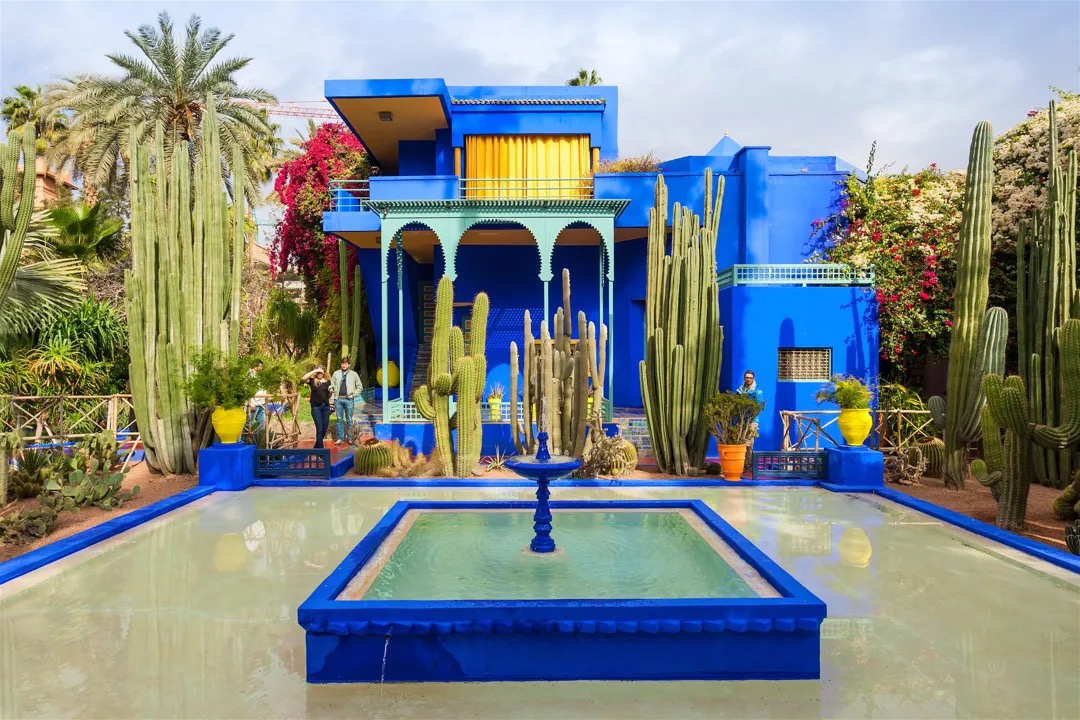
Behind high ochre walls in the Gueliz district sits a garden painted the colour of a Mediterranean sky at noon. Jardin Majorelle is the most visited paid attraction in Marrakech and the reason is simple, the blue. The buildings, the gates, the fountains and the planters are all washed in a saturated cobalt that the founder, French painter Jacques Majorelle, mixed himself and copyrighted as Majorelle Blue. Walk in off the busy Rue Yves Saint Laurent and the noise drops, the temperature drops, and you are inside a botanical painting that has been growing since 1924.
The history behind the blue
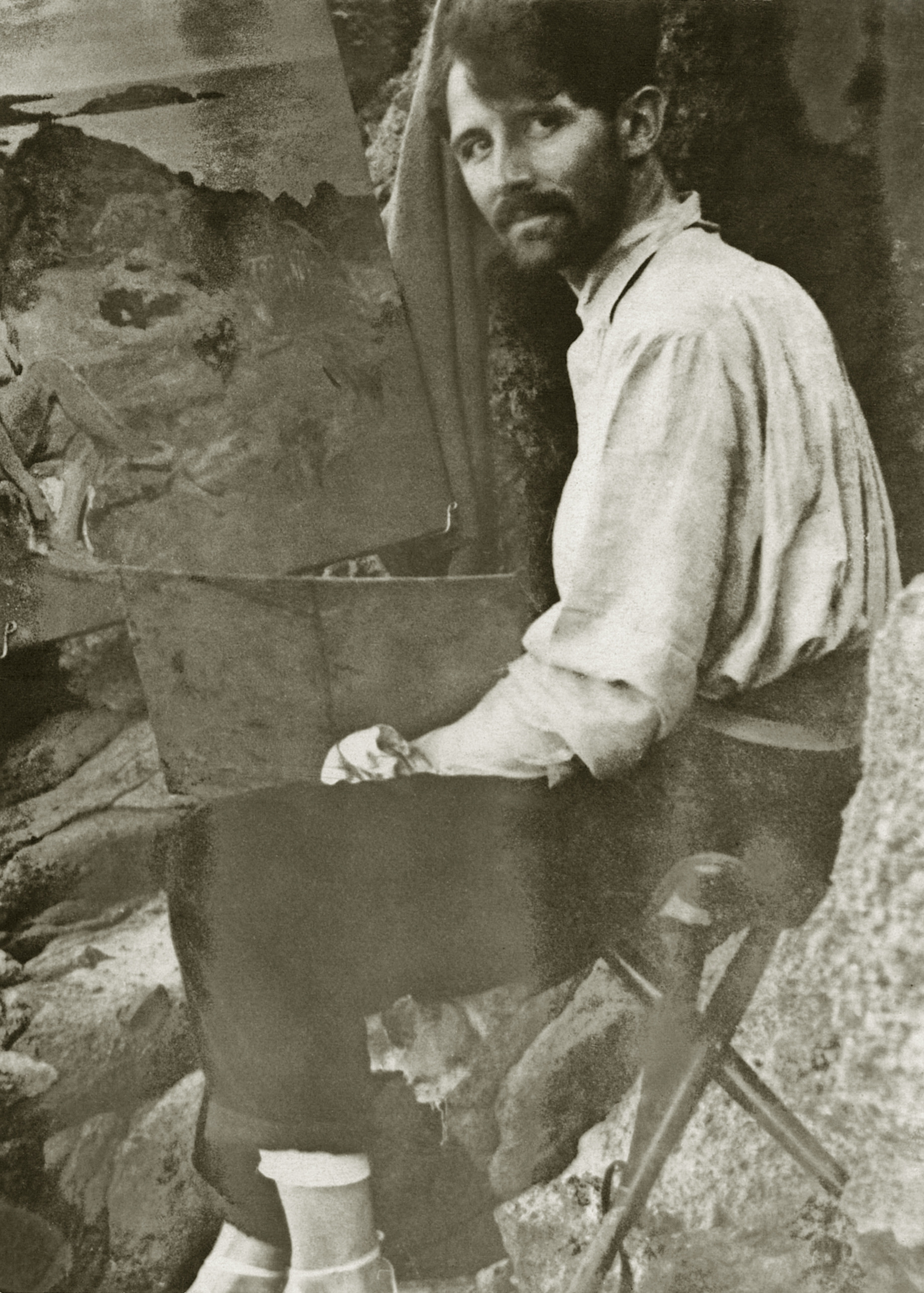
Jacques Majorelle was the son of the famous Art Nouveau furniture designer Louis Majorelle. He moved to Marrakech in 1919, bought a parcel of land in Gueliz in 1924, and with the architect Paul Sinoir built a cubist villa with a workshop in the basement. Around the villa he laid out a botanical garden inspired by Islamic paradise gardens, centred on a long rectangular basin. He filled it with plants from five continents, over 350 species eventually, including a century-old palm grove, a bamboo thicket and one of the largest cactus collections in North Africa. After Majorelle died in a car accident in 1962 the garden fell into ruin. In 1980 the fashion designer Yves Saint Laurent and his partner Pierre Berge bought it, saved it from property developers who wanted to demolish it for apartments, and restored the planting. Saint Laurent visited every year until his death, and his ashes were scattered here.
What to actually do inside
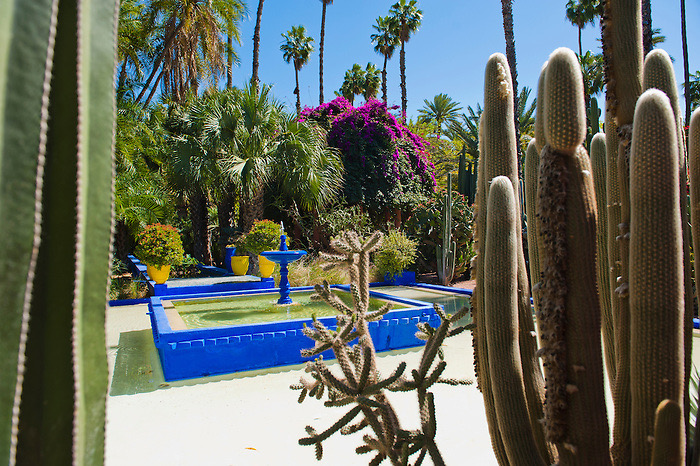
Walk the main avenue under the bamboo, which is 15 metres tall and filters the light into stripes. Stop at the cobalt fountain, framed by tall cactus, the most photographed spot in the garden. The long basin reflects the blue studio building and the palms, so go early before the crowds ripple the water. The Berber Museum is inside the old workshop, a single-story building painted Majorelle Blue, holding around 600 artefacts including jewellery, textiles, leather and wooden tools from Berber communities across Morocco. Plan 30 to 45 minutes for the museum. There is a small cafe near the exit for mint tea, overpriced at MAD 50 but the setting is the point.
The Yves Saint Laurent Museum next door
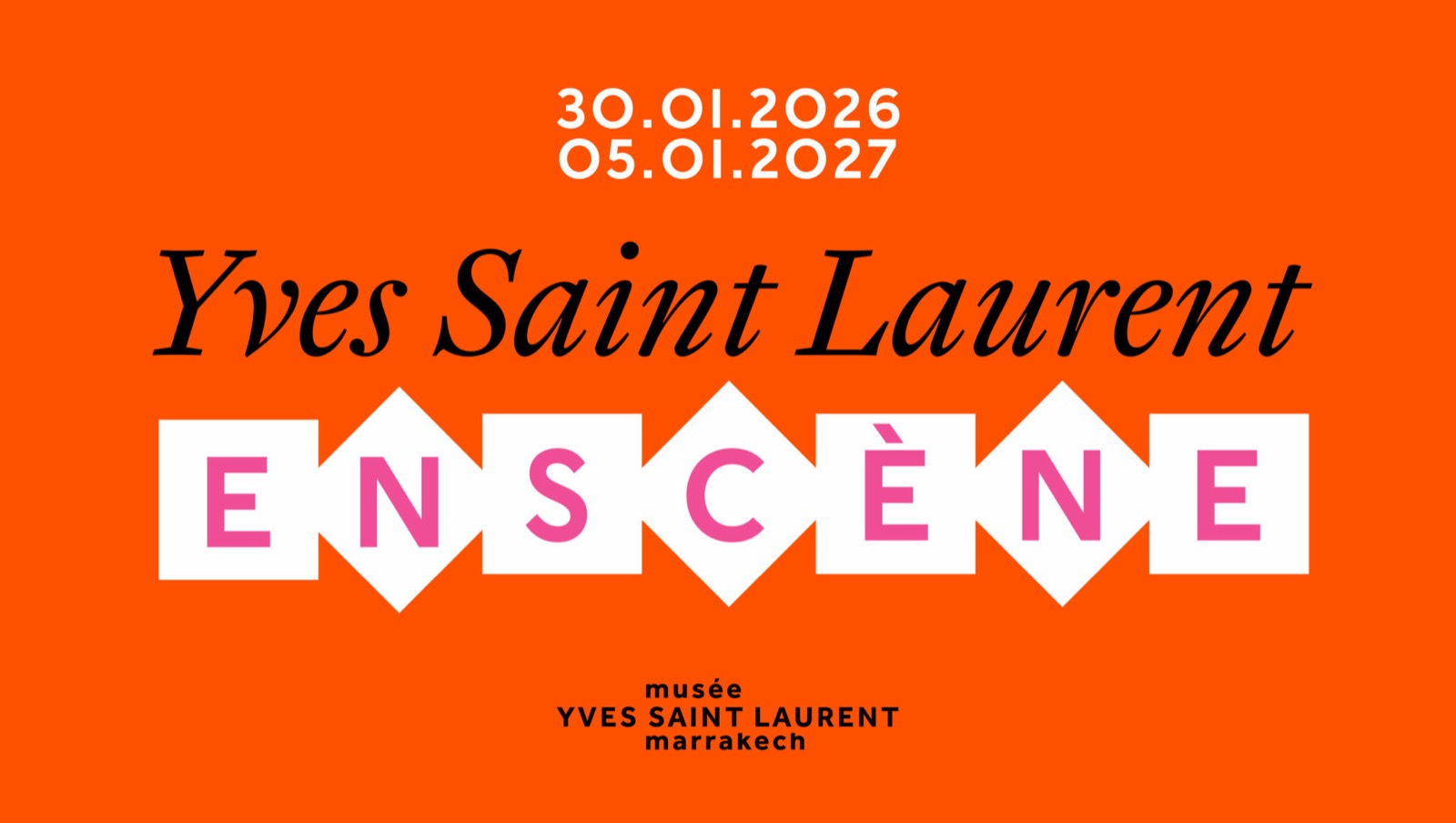
Directly across Rue Yves Saint Laurent, a two minute walk from the garden exit, is the Musee Yves Saint Laurent, opened in 2017. Designed by Studio KO, the facade is a lattice of terracotta bricks that shifts with the light through the day. Inside is a permanent exhibition of around 50 haute couture pieces rotated from a 5,000 garment archive, plus a temporary show, a research library, an auditorium and a terrace cafe. The museum is closed Wednesdays. Admission is MAD 165. The garden alone is MAD 70, the Berber Museum is MAD 30, and a combined garden and Berber Museum ticket is MAD 100. Book online through the official ticketing site to skip the queue, there is a MAD 10 booking fee but it is worth it in peak season.
Getting there and when to go
Jardin Majorelle is about a 15 minute walk from Jemaa el-Fnaa, or a 5 minute petit taxi ride for around MAD 20. Opening hours shift with the season. October to April, 8am to 5.30pm. May to September, 8am to 6pm. During Ramadan, 9am to 5pm. Go at opening time, 8am sharp, because by 10am the narrow paths fill with tour groups and photography becomes a patience test. The morning light is also the strongest and brings out the cobalt at its most saturated. Jardin Majorelle ranks number one on TripAdvisor out of more than 2,000 Marrakech attractions, and the queue by midday explains why.